

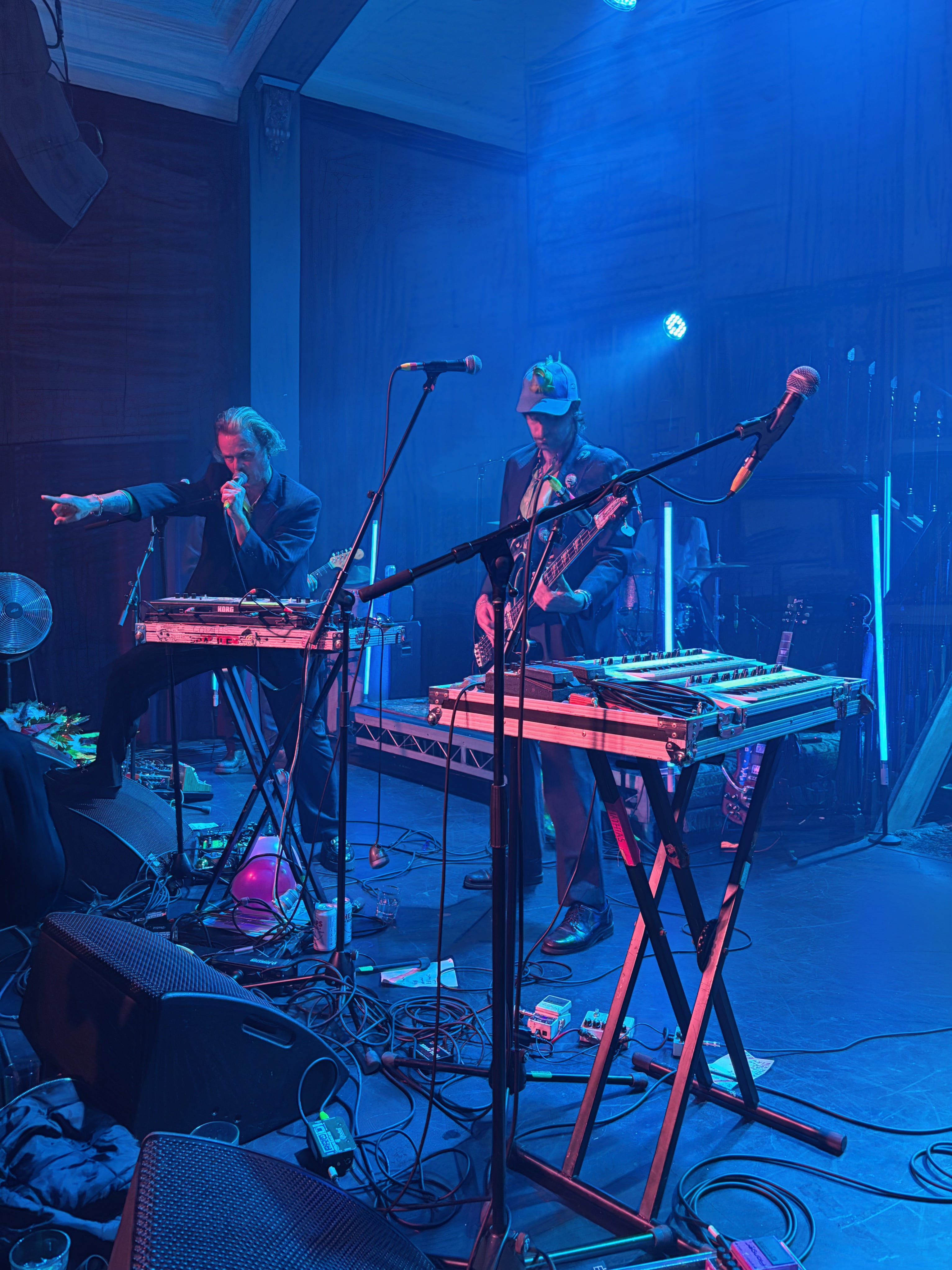
There are some gigs you walk away from talking about the songs, others where you can’t stop thinking about a particular performance, and then there are nights that stay with you because they remind you why you fell in love with live music in the first place. The final Marthouse Records show at Brunswick Ballroom was one of those nights.
On paper, it was a farewell party. After ten years, Marthouse Records was wrapping up with one final celebration featuring artists who had been part of the label’s story. But by the time it was over, it felt like it had become something much bigger than simply saying goodbye to a record label.
If you’ve followed Dougal Shaw for any amount of time, you’ll know he has never been interested in taking the easy path.
Whether it’s speaking openly about the realities of streaming, standing up for causes he believes in, or making music that refuses to fit neatly into expectations, he’s built a reputation for saying exactly what he thinks. You don’t have to agree with every opinion he holds to recognise that consistency because, in an industry where artists are constantly encouraged to chase trends or soften their edges, Dougal has always seemed far more interested in staying true to himself.
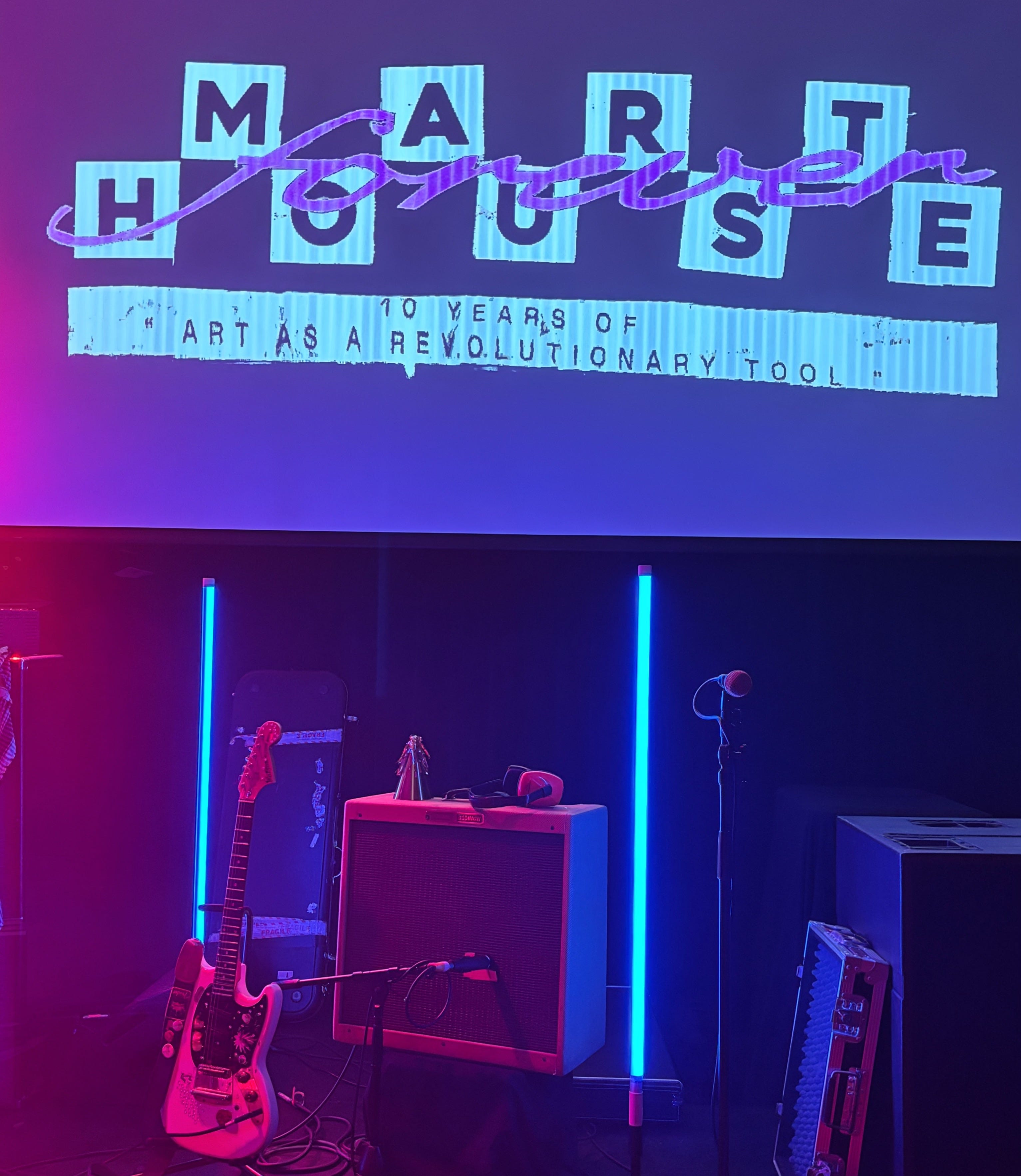
Looking back over Marthouse’s ten-year run, that’s probably what stands out the most. It never felt like the label was trying to become something it wasn’t. There wasn’t a moment where it suddenly pivoted towards whatever sound happened to be popular or started making decisions purely because they made commercial sense.
Every release felt like it belonged there because somebody genuinely believed in it.
To me, that’s one of the greatest gifts an artist can give their audience. Not perfection or popularity, but honesty.
Music feels different when it’s made without constantly looking over its shoulder, wondering how it’ll perform on playlists or social media. Marthouse always gave me that feeling, and I think that’s why so many people connected with it.
I arrived at Brunswick Ballroom fairly early, before most of the crowd had filtered in, and one of the first things I saw was Dougal behind the merch table selling records himself. It was such a simple moment, but it summed up the night perfectly.
There wasn’t any separation between artist, label owner and audience. He was chatting with people, recommending records, signing records, catching up with familiar faces and doing what he’d probably been doing for the past decade: building a community around music he genuinely believed in.
The venue turned out to be the perfect place for a night like this. Brunswick Ballroom has a warmth to it that you don’t always find in larger venues. It feels intimate without feeling small, and as the room slowly filled throughout the evening, it became less like a concert and more like a community gathering.
Those are the kinds of spaces that remind you why live music matters. You’re not watching something from a distance. You’re part of it.
The support acts helped build that atmosphere from the very beginning. Tali and the Arms immediately caught my attention with one of the stronger opening sets I’ve seen since moving to Melbourne. Their guitarist, in particular, had a knack for lifting songs with little moments that never felt overplayed but always landed.
The It Thing followed with a set full of groove and energy. There were a few moments where I felt the heavy use of reverb made the vocals harder to follow than they needed to be, but the band’s chemistry was undeniable, and it’s easy to see why they’ve developed such a loyal following.
By the time Dr Sure’s Unusual Practice walked on stage, Brunswick Ballroom was packed, and what followed was exactly the kind of beautifully unpredictable performance that has made the band so beloved over the years.
Dougal has always had this wonderfully chaotic stage presence that somehow feels completely in control at the same time. One minute he’s on stage leading the band, the next he’s in the crowd singing alongside everyone else, before inviting people back onto the stage with him. It never felt like there was a line between performer and audience. Everyone in the room became part of the show.

One of the night’s most memorable moments came when Dougal invited his father onto the stage. The final Marthouse release is a mixtape built around recordings his father made decades ago with his own band in Brisbane, and seeing those two generations connected in that way felt like the perfect ending. Rather than closing the label with a grand statement, Marthouse ended by celebrating music that had simply meant something to the people who made it.
The night wasn’t over just yet, though. Vasco Era closed the evening, and their appearance carried its own quiet significance. Dougal has spoken before about them being one of the first bands he ever saw live in a proper venue, so having them play the final Marthouse show felt like one of those full-circle moments that only live music seems capable of creating.
Walking home afterwards, I realised I hadn’t really spent much time thinking about the fact that a record label had ended. What stayed with me instead was the feeling in the room.
The generosity between the bands, the audience and everyone involved reminded me that independent music has always been about far more than releases or streaming numbers. It’s about communities that form around shared ideas, artists who continue making work because they believe in it, and people who keep turning up simply because they care.
Maybe that’s why this farewell felt so significant. It wasn’t trying to convince anyone that Marthouse had changed Australian music forever, nor did it need to.
It simply celebrated ten years of doing things honestly, backing artists without compromise and creating a space where people could make the kind of music they genuinely wanted to make.
In a music industry that increasingly asks artists to optimise everything they do, that kind of honesty feels more valuable than ever. Marthouse Records may have reached the end of its journey, but if this farewell proved anything, it’s that the ideas it stood for are still very much alive. And perhaps that’s the best legacy any independent label could hope to leave behind.