

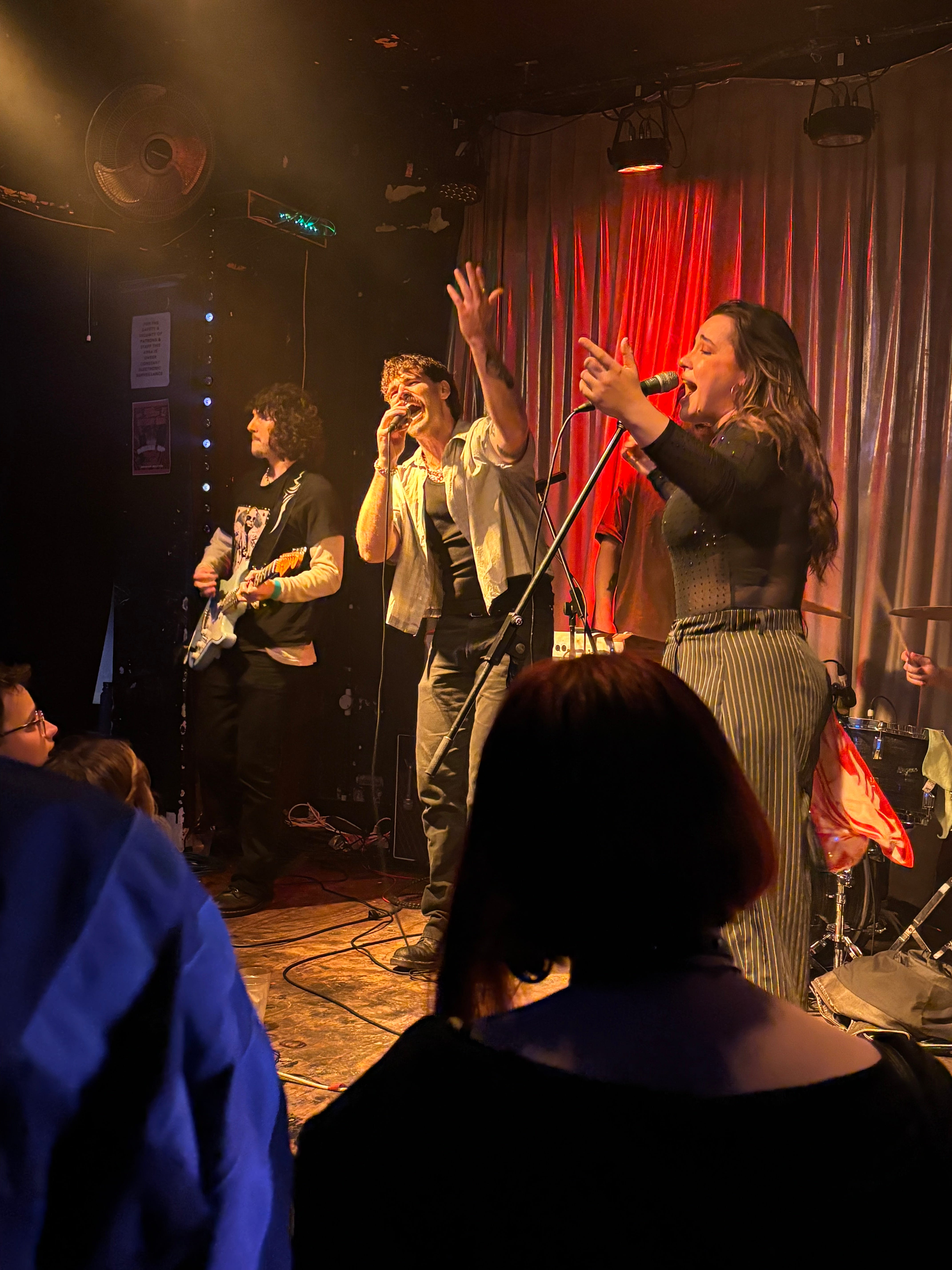
I’ve only been living in Melbourne for a few months, but one of the things I’ve really enjoyed about being here is how easy it is to find live music. You can be walking through Fitzroy or Brunswick on a random evening, see a band playing at a pub, and end up discovering someone you had absolutely no intention of seeing that night.
And I think that’s a pretty special thing to have in a city.
Before moving here, I obviously knew Melbourne had a reputation for its music. You hear about the legendary venues, the artists who came out of the scene, the festivals, the record stores and everything else that has made it such an important part of Australian music history.
But actually living here and slowly getting to know the scene through Sound Under has made me appreciate just how much of that reputation comes from the smaller places and communities that don’t necessarily get talked about outside Melbourne.
It’s also made me think about how easily we can take something like that for granted.
Because while Melbourne has spent decades building its identity as a music city, the industry behind that reputation is going through a pretty difficult period. Venues are dealing with rising operating costs, artists are finding it harder to make a sustainable living, and the number of places presenting regular live music across Victoria has declined considerably over the last few years.
And with the Victorian Government announcing a new set of commitments to support live music earlier this week, it feels like a good time to look at what is actually happening and what it might take to keep Melbourne’s music culture alive.
One of the things that makes Melbourne’s music history so interesting is that so much of it has developed around actual places.
You can trace different periods of Australian music through its pubs, clubs, bandrooms and the communities that formed around them. Places where artists could play regularly, meet other musicians, experiment with their sound and gradually build an audience.
The Tote in Collingwood is probably one of the most recognisable examples of that culture, having been associated with Melbourne’s independent music scene for decades. Then there are places like The Old Bar, The Evelyn and The Night Cat, each contributing something different to the city’s musical identity.
What I find particularly interesting about these places is that their importance isn’t necessarily tied to how many famous artists have performed there.
It’s everything that happens before an artist becomes famous.
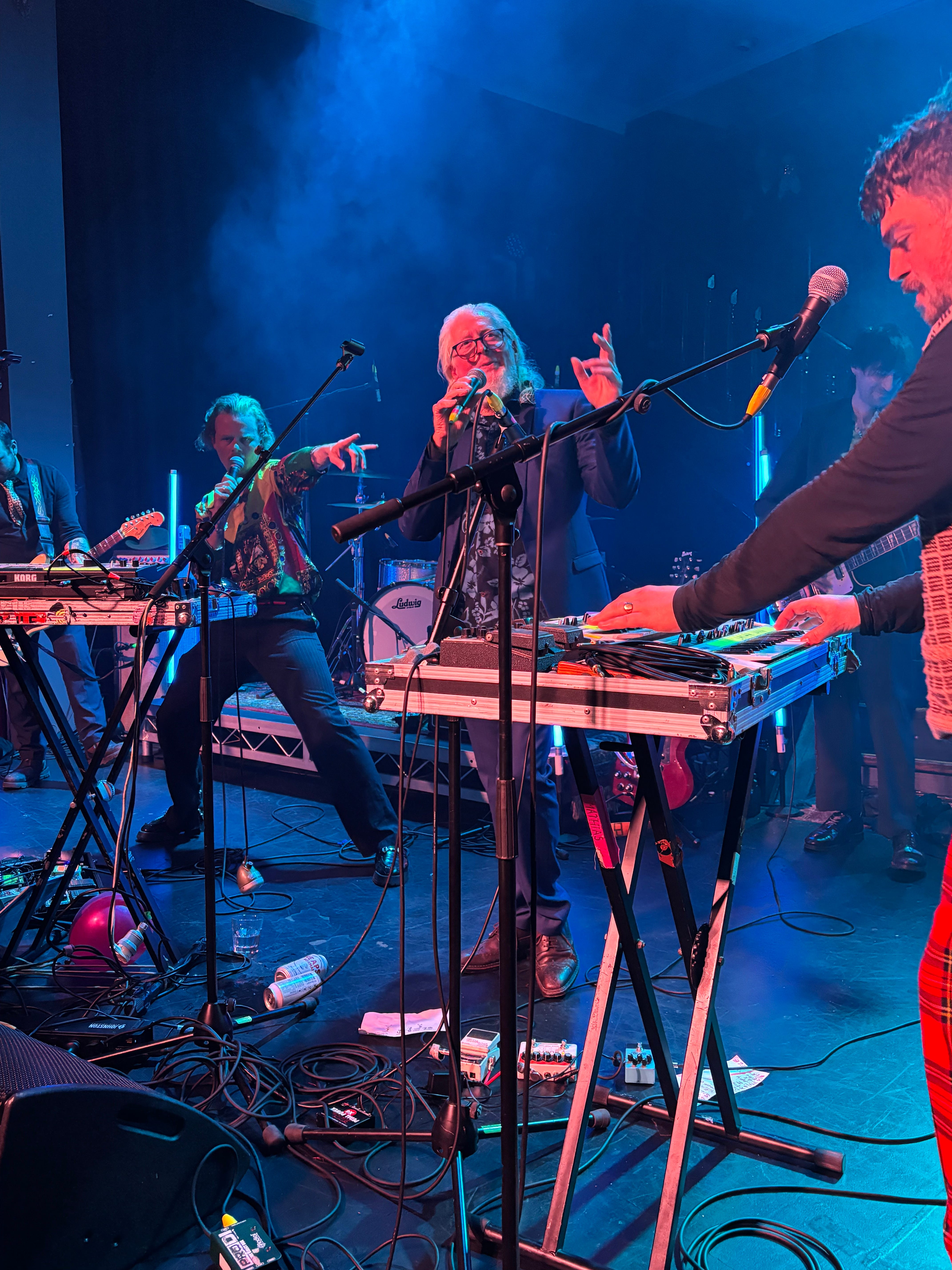
I was reminded of this when I attended Marthouse Records’ farewell show at Brunswick Ballroom earlier this year. I had been following Dr Sure’s Unusual Practice and was keen to see them live, but what stayed with me from that evening was much bigger than any individual performance.
There was this genuine sense of community in the room. Artists who had worked together over the years, people who had supported the label, friends, family and an audience that seemed to understand how much Marthouse had meant to everyone involved.
Watching Dougal Shaw perform with his father on stage was one of those moments that made the evening feel particularly personal. And while Marthouse was a record label rather than a venue, the farewell reminded me how much independent music depends on people building things together over time.
When something like that comes to an end, you don’t just lose a name or a business. You lose a little part of the community that formed around it.
The same is true for live music venues, which is why the latest figures coming out of Victoria deserve some attention.
The numbers behind Melbourne’s music reputation
In February this year, Music Victoria released its 2025 Victorian Live Music Venue Audit, commissioned by Creative Victoria, which looked at the state of live music venues across Victoria.
The report identified 2,441 venues statewide, which is a substantial number and gives you some idea of just how deeply live music is embedded in Victoria’s cultural landscape.
But there was another finding that stood out to me.
In 2019, there were 813 venues across Victoria presenting at least one gig every week. By 2024, that number had fallen to 655, representing a decline of 19.4 per cent.
Now, that doesn’t necessarily mean all those venues have closed. Some may still be operating but hosting live music less frequently, while others have changed how they use their spaces. The report also identifies factors such as the pandemic, rising costs, labour shortages and changing audience behaviour as contributors to the decline.
But even when a venue remains open, hosting fewer gigs has consequences.
Think about an emerging artist who is trying to build an audience and needs places to perform regularly. Or a band that has just released its first EP and wants to start playing around Melbourne. Fewer regular gigs mean fewer opportunities for those artists to get their music in front of people.
And it’s not just musicians who are affected.
Music Victoria estimates that an average gig involves 29 different job roles, 43 people and more than 140 hours of work. That includes everyone from sound engineers and venue staff to promoters, managers, security and production crews.
I think we sometimes forget just how many people are involved in making a live performance happen, especially when we’re standing in the audience enjoying the music.
For us, it might be a couple of hours watching a band. For the people involved, it can represent days of preparation and an important part of how they earn their living.
So when regular live music activity starts declining, the impact reaches much further than the stage itself.
Another interesting part of Melbourne’s live music story is how closely it is connected to the city’s changing neighbourhoods.
Fitzroy, Collingwood and Brunswick are all places people associate with music, nightlife and creative culture. But they’re also increasingly desirable places to live, which brings new developments, apartments and residents into areas where venues have sometimes been operating for decades.
And this is where things can get complicated.
Someone moving into an apartment near an established music venue obviously has a right to reasonable living conditions, just as a venue has a legitimate interest in continuing to operate within its approved conditions.
But what happens when the expectations of a residential neighbourhood begin to conflict with the very music culture that helped make the area attractive in the first place?
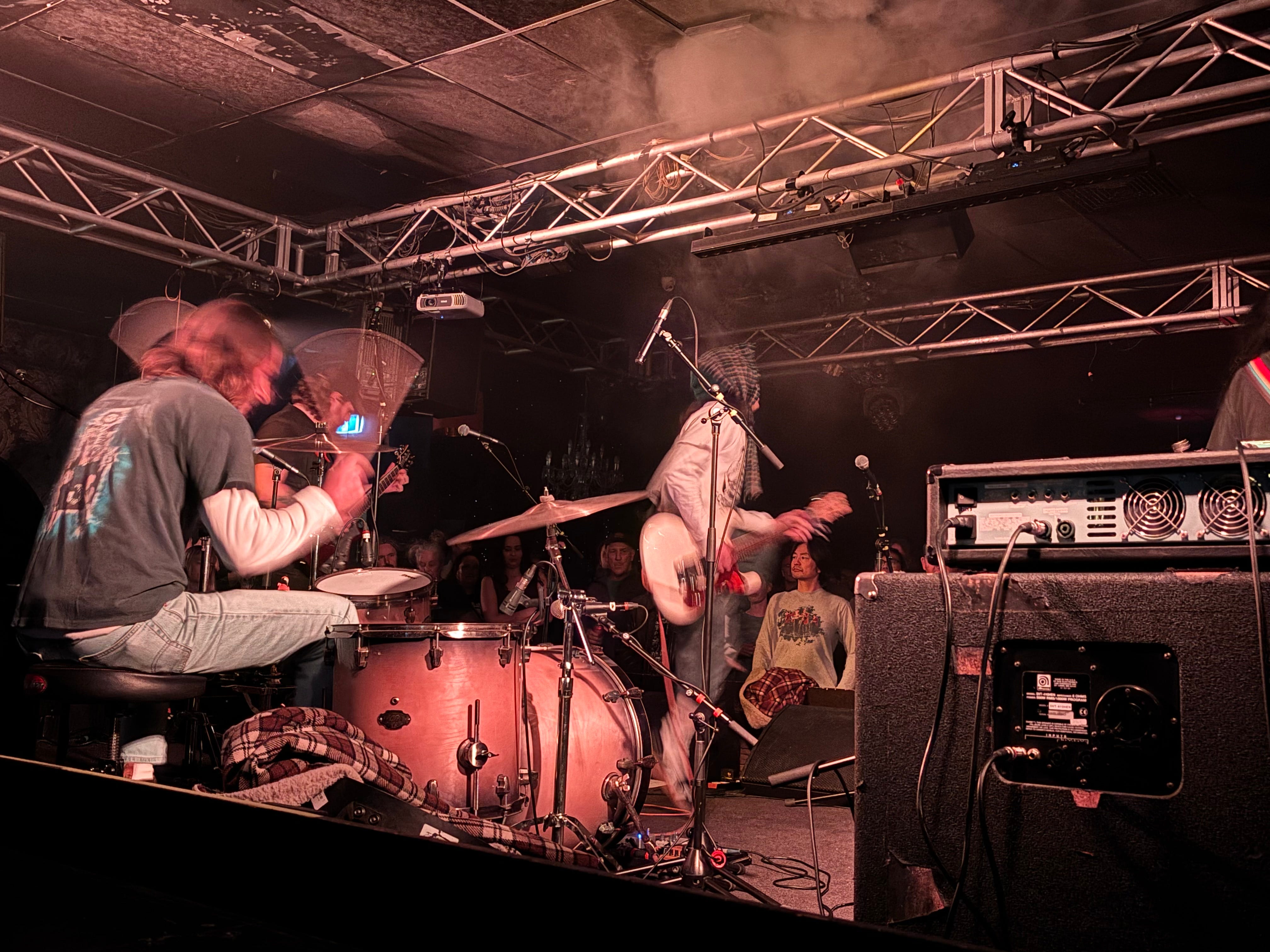
The Night Cat in Fitzroy is an interesting example. In 2025, the venue became involved in a legal dispute with a nearby developer over noise and planning conditions, raising serious concerns about its future. The temporary orders threatening its operations were eventually cancelled in August, but the situation highlighted just how complicated things can become when new residential developments move into established live music areas.
And interestingly, just this week, The Night Cat announced plans to expand into the neighbouring building, with a second music room and public bar. The project still requires planning approval, and the venue is asking the community to support its application.
Here is a venue that has spent years contributing to Melbourne’s music culture and wants to create even more opportunities for artists, but whose ability to grow is still tied to navigating the city’s planning system.
And it isn’t simply a matter of choosing one side over the other.
A growing city needs housing, and residents shouldn’t have to accept unreasonable noise just because they live near a music venue. But equally, it seems strange that an established venue can find itself facing uncertainty because the surrounding area has changed.
If Melbourne wants to keep its live music culture, these are the kinds of issues it needs to work through rather than waiting until another venue is at risk.
So what is Victoria planning to do about it?
On September 23, the Victorian Labor Government announced a series of commitments aimed at supporting the state’s live music industry ahead of the November election.
Among the proposals are formally designated live music precincts in areas including Fitzroy, Collingwood, Geelong and Ballarat, changes to noise regulations, a permanent Live Music Desk and a $4 million funding package.
Part of that funding would support live performances, including all-ages events, while another portion would go towards activating underused spaces for music and the arts.
The proposed noise regulation changes are particularly interesting because they aim to give established venues greater certainty when dealing with complaints in designated live music areas.
Music Victoria has welcomed the commitments, many of which reflect priorities it has been advocating for through its Vote Victorian Music campaign.
But the organisation has also made the point that grants and planning reforms alone won’t resolve the industry’s longer-term financial pressures. It is continuing to advocate for a one per cent levy on stadium tickets to establish a permanent Victorian Music Trust, which would direct funding towards local artists, venues and the grassroots sector.
I think there’s an interesting conversation to be had around that idea.
Melbourne regularly hosts enormous international tours and major music events, and those shows are obviously an important part of the city’s music economy. Many of the artists performing at that level spent years developing their music through smaller venues, independent promoters and communities that supported them long before they were selling out arenas.
Finding ways for the success of major events to contribute to the wider music industry is worth exploring.
Of course, these are still commitments and proposals, and we’ll have to see what actually gets implemented and how effective the measures turn out to be.
But at least the conversation is happening around some of the underlying problems rather than simply celebrating Melbourne’s reputation.
Supporting local music has to go beyond telling people to buy tickets
There’s another part of this conversation that I find particularly important, especially as someone who spends a lot of time discovering and writing about emerging artists.
We often hear that people need to support local music, and I agree with that completely. It’s one of the reasons Sound Under exists in the first place.
But I also think the conversation can become a little too simplistic sometimes.
Telling people to buy tickets and support local artists is great, but audiences are dealing with rising living costs too. Going to a gig might involve paying for a ticket, transport, food and a couple of drinks, and suddenly what was supposed to be an affordable night out becomes something people have to think twice about.
At the same time, artists have their own expenses to deal with. Rehearsal spaces, recording, equipment, transport, promotion and touring all cost money, often long before there’s any meaningful income coming back.
And venues are trying to manage their own increasing costs while keeping ticket prices reasonable enough for people to actually turn up.
I don’t think there’s an easy answer to any of this. Audiences want affordable gigs, artists deserve to be paid properly, and venues need to make enough money to keep operating. Finding a balance between those things is becoming increasingly difficult, especially for smaller independent spaces.
I also wonder how much attention we’re giving to the next generation of audiences.
All-ages gigs might not seem like the most exciting part of a government funding announcement, but they’re important. For younger people who can’t access licensed venues, opportunities to experience live music can be limited.
And those early experiences can have a lasting impact.
Someone who discovers a local band at sixteen might become a lifelong fan, start making music themselves, or eventually become part of the industry in some other way.
If we want a healthy music scene ten or twenty years from now, we need to think about how people are being introduced to it today.